


2151st BLOG POST
18th Book of 2025
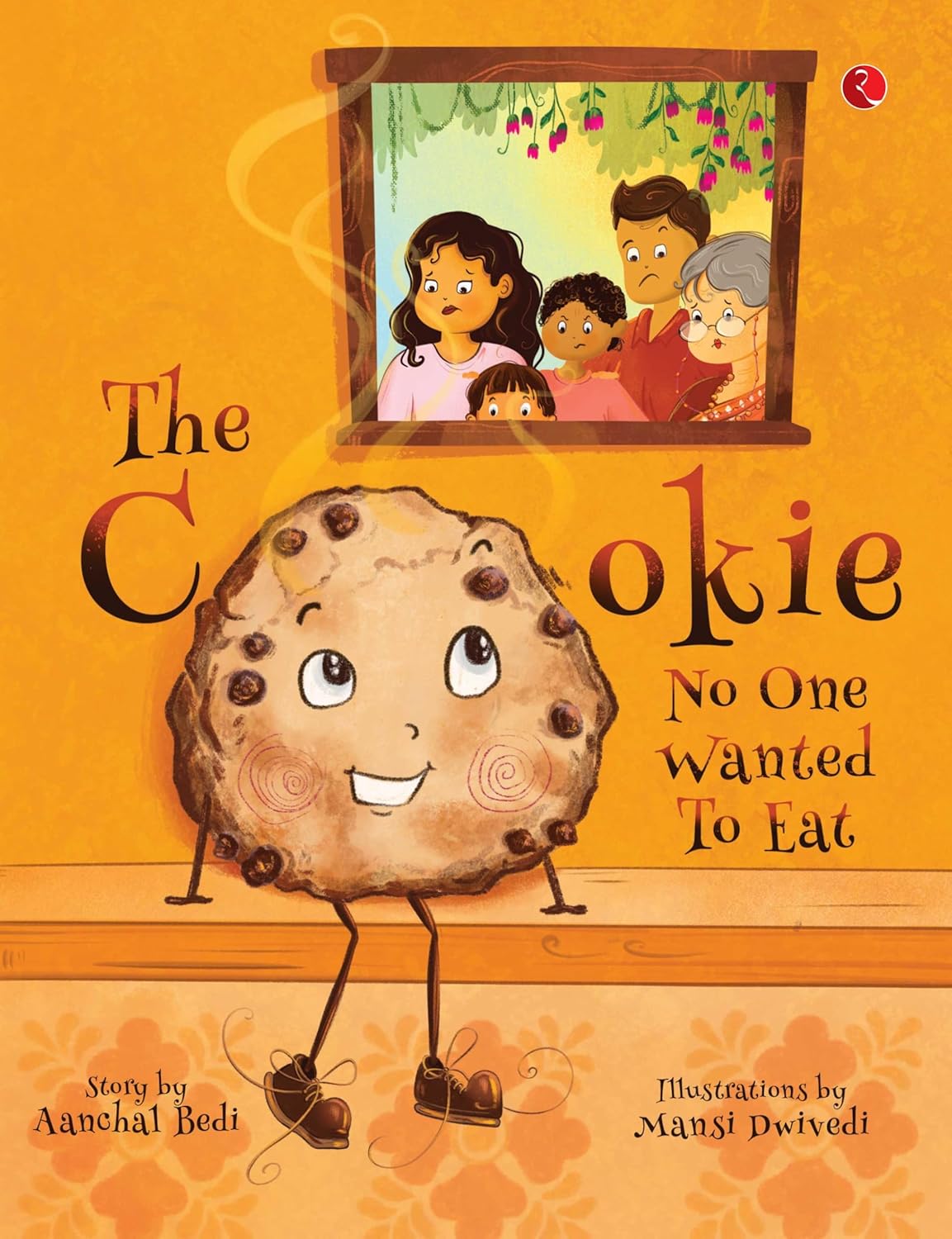
Children’s
books often appear simple on the surface, but the best ones manage to carry
messages that stay with readers long after the final page—sometimes even more
so for adults than for children. The Cookie No One Wanted to Eat is one
such book. It may be written for young readers, but its underlying message
about self-worth, acceptance, and empathy feels relevant across age groups. The
book is written by the authoress- Aanchal Bedi and beautifully illustrated by
Mansi Dwivedi.
The
story revolves around a freshly baked cookie that only wants to be loved and
enjoyed. However, everyone who encounters it finds a reason not to accept
it—too hot, too crunchy, too strong in flavour, or simply not to their liking.
Through this repeated rejection, the cookie slowly begins to question its own
worth. What works well here is how naturally the author mirrors a very human
experience through a non-human character. The cookie’s confusion and
disappointment feel familiar, even though the setting is playful and
light-hearted.
The
book uses rhyme effectively, making the narrative engaging and easy to read
aloud. This rhythmic flow helps maintain a gentle pace, allowing children to
stay attentive while absorbing the emotions embedded in the story. Without
becoming heavy or preachy, the book subtly introduces the idea that not being
accepted by everyone does not mean one lacks value. This is an important
lesson, especially for children growing up in an environment where comparison
and validation often begin early.
What
I particularly liked is how the story does not rush towards its conclusion. The
cookie’s emotional journey is given enough space to unfold, making the eventual
realization feel earned rather than forced. When acceptance finally comes, it
arrives not from those who initially rejected the cookie, but from those who
truly needed it. This shift quietly reinforces the idea that belonging is not
universal—it is personal.
The
illustrations complement the narrative well, adding emotional depth without
overpowering the text. The expressions, colours, and details help young readers
connect with the cookie’s feelings, making the experience more immersive.
Additionally, the activities, prompts and exercises at the end of the book are
a thoughtful inclusion. They extend the story beyond reading, encouraging
reflection, discussion, and emotional awareness—something parents and educators
will appreciate.
Overall,
The Cookie No One Wanted to Eat succeeds because it respects its young
audience. It does not simplify emotions or offer unrealistic optimism. Instead,
it acknowledges hurt, confusion, and rejection, while gently guiding readers
towards self-acceptance and kindness. It is a book that can open meaningful
conversations—about confidence, empathy, and the importance of being gentle
with oneself.
This is a warm, thoughtful read that works equally well as a bedtime story or a classroom discussion starter. Sometimes, the simplest stories leave the deepest impressions, and this book is a good reminder of that. Overall, I give the book 4.5* out of 5. Get it for your younger ones!
Thanks
WRITING
BUDDHA


0 CoMMenTs !!! - U CaN aLSo CoMMenT !!!:
Post a Comment